What’s Current?
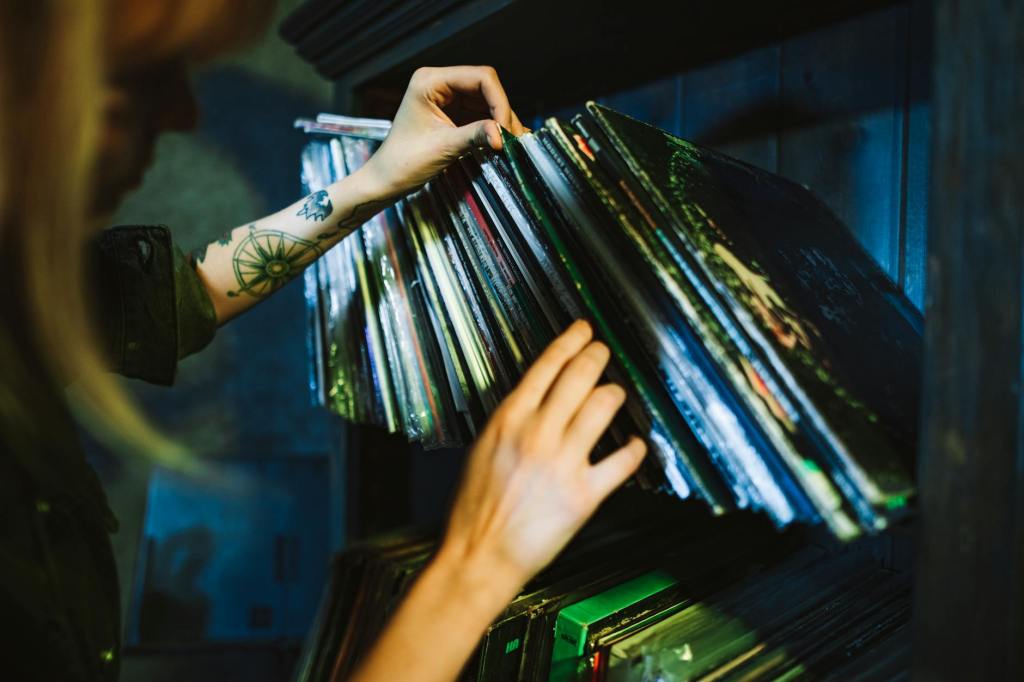
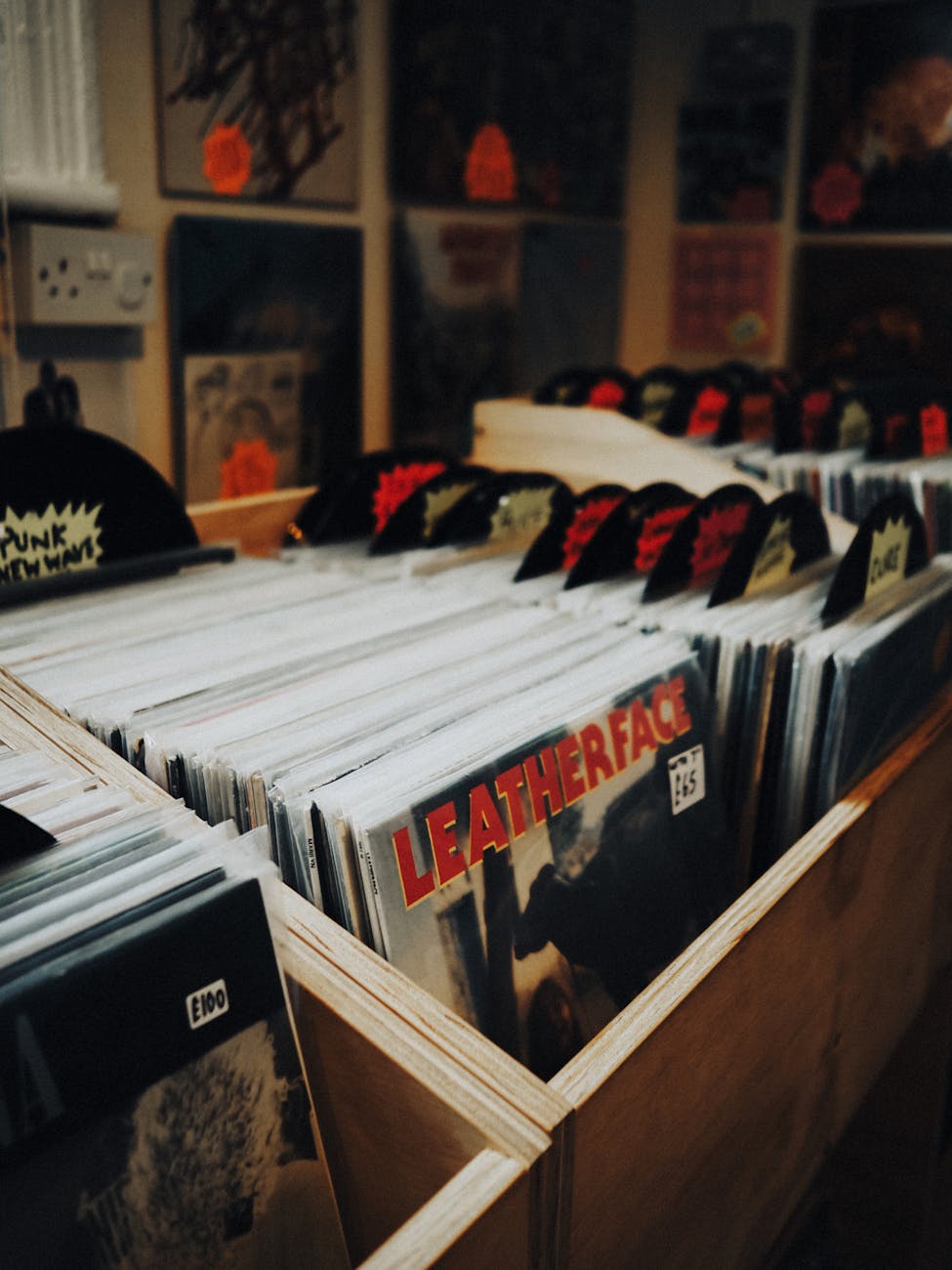
I suppose my current listening is similar to most who still collect physical media, with a mixture of albums dug out of the collection and music recently acquired, which all go in a box next to my player. I tend to buy vinyl records for most genre; however, still go for CDs when it comes to classical music, as I find any surface noise distracting on quieter pieces. The music from the collection usually makes it to the ‘box’ when I spot an album of interest when browsing, or from hearing a track on the radio that initiates a search for an artist or band. I do spend far too many hours in vinyl records shops, but every now and then you find that one album you have spent years looking for. I am also a bit nostalgic when it comes to notable album anniversaries, and as I get older there seems to be more of these.
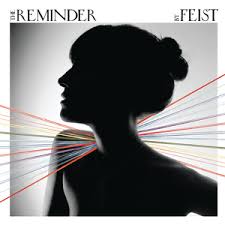
The Reminder – Feist (2007)
I first came across the Canadian artist Leslie Feist from an appearance on Jools Holland’s Later show, which must have been around 2007/8. This was Feist’s third album, and in a break from the previous release, Let It Die, she wrote or co-wrote all the songs, apart from ‘Sealion’ (a take on Nina Simone’s classic Sea Lion Woman). The style is hard to characterise, with tracks ranging from acoustic folk to indie pop, with a bit of jazz thrown into the mix. Those not familiar with her music may have come across ‘1234’, which was used in an iPhone advertisement. This is probably the most ‘poppy’ track on the album (although it does feature a banjo!), but as with all the songs, it has a simplified, space-filled recorded sound. The opening track, ‘So Sorry’, is a gentle acoustic introduction, with Feist’s voice sounding ethereal. There are many strong tracks on the album, but a standout is ‘I Feel It All’. This uptempo tune features one of Feist’s great strengths, a quirky, raw, but always rhythmic guitar style. Talking of foot tapping, ‘My Moon My Man’, has a driving, sassy, piano beat, which contrasts beautifully with Feist’s swinging, soulful lyrics. My favourite song, however, is the magical, but desolate sounding track ‘The Park’. Again, there is that idiosyncratic acoustic guitar playing, this time placing you in a London park, complete with bird song, and high above is Feist, lamenting a lost love. As a Pitchfork review said in 2007, Feist’s voice would even make Dick Cheney weep.
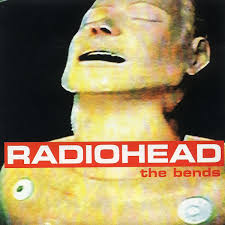
The Bends – Radiohead (1995)
This is an album that I started listening to again after hearing the shocking news last year on the BBC Radio 4 Today programme that it was its 30th anniversary! One thing is for certain, it doesn’t sound thirty years old. This second release established the band in the musical world, and even though Thom asks “where do we go from here” in the opening track, it provided a launchpad for an amazing musical anthology. It’s hard to listen to this album without being drawn into the music. Planet Telex is a brilliant first track, setting the standard and getting you fully engaged in the vibrant sound. ‘The Bends’ should be classed as a modern rock anthem, which is followed by the soulful songs ‘High and Dry’ and ‘Fake Plastic Trees’. Although each song on this album has merit, my favourites are: the dynamic ‘Just’ (with a brilliant unconventional guitar solo), ‘Black Star’ (from a quiet bass guitar accompaniment to a stunning wall of sound), and ‘Street Spirit’ (a great guitar riff, set off by Thom’s soaring lyrics).
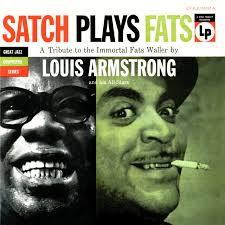
Satchel Plays Fats – Louis Armstrong (1955)
Probably the best album from Louis Armstrong’s mid-1950s period, and another album with a notable anniversary last year. Louis’ trumpet playing, although perhaps not as dynamic as in his youth, is still phenomenal, dancing around the tunes in effortless variations. His ‘All Stars’ band were what it says on the tin, with the brilliant Trummy Young on trombone, Barney Bigard on clarinet, Billy Kyle on piano, Arvell Shaw on bass, and Barrett Deems on drums. Satchmo has the same sense of mischievous fun as Waller, and made full use of the band to produce a joyous album. There are some genuine comedic moments (which still make me smile), with Satchmo bouncing off Velma Middleton’s teasing vocals. It’s not all light though, as the song ‘(What Did I Do Be So) Black and Blue’ reminds us of the terrible discrimination that Satchmo, and Black people generally, were subjected to (and in many respects, still are). To think that he was not even allowed to walk through the front entrance of the theatres he was headlining. The line “‘I’m white inside….but I can’t hide what is in my face” is a hard listen, especially when you have the mournful accompaniment from an unusually subdued Trummy Young. The best is saved for last, with a truly great version of ‘Ain’t Misbehaving’. This song is the epitome of exuberant, joyful jazz music, with a blazing Trummy Young let loose on his trombone, and Satchmo finishing off by hitting his signature high note.
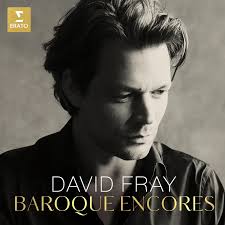
Baroque Encores – David Fray (2025)
This was one of those moments when something plays on the radio, and although previously occupied, you have to stop and listen. The piece being played was new to me, L’Aimable from the Premier livre des pièces de clavecin (1746) by Royer. The title of this collection of music is a little misleading, as many of these pieces are subtle and thoughtful; although David does say on the sleeve that he chose them for their emotional impact. They include a number of transcriptions of Bach, and music by Rameau, Scarlatti, François Couperin, and Handel. The sound recording is wonderful, with a concert grand piano never sounding better. The approach is more romantic than you would get with those that are more historically informed, or those trying to reproduce the original harpsichord sound. Fray has a beautiful singing tone to his playing, and seems set to show how good this early 18th-century music can sound on a modern instrument. The standout tracks, apart from the Royer, are the lovely Sarabande from the Suite in F minor by Bach, Les Baricades mistérieuses by F. Couperin, a transcription of the Largo from the Organ Sonata No. 5 by Bach, and Bach’s transcription of a Vivaldi piece, i.e. the Larghetto from the Harpsichord Concerto BWV 972. A perfect album to play late in the evening, accompanied by your favourite nightcap.
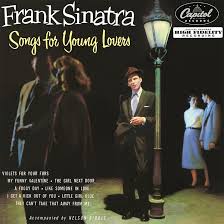
Songs for Young Lovers – Frank Sinatra (1954)
Since my early teens, I have been obsessed with 1940s and 1950s American film and music. Some artists excelled in both formats, and although Frank Sinatra was one of those, I didn’t listen to any of his albums until I acquired a reissue of ‘Where Are You?’ (1957) in the 1980s, because I liked the look of the album sleeve. I was so impressed with the quality of the voice and arrangements that it started a hunt for his other Capitol recordings.
It’s hard to imagine now that in the early 1950s Frank Sinatra’s career was practically washed up. He was dropped from his TV show and film contract, and Columbia Records ended their association. To add to this, his long-time publicist died, and he was in a disastrous, stormy marriage to Ava Gardner. A major turning point came in 1953, when he got a lead role in the film ‘From Here to Eternity’, and in the same year signed a long-term contract with Capitol Records. At Capitol he was introduced to a young arranger, Nelson Riddle, and so began his wonderful Capitol years that continued until 1962, and included many outstanding albums, such as: ‘In the Wee Small Hours’, ‘Songs for Swinging Lovers’ and the first stereo album ‘Where Are You’.
Sinatra chose all the music for the first album, ‘Songs for Young Lovers’, which included songs by the great American songwriters Gershwin, Porter, and Rodgers and Hart. It was first released as an eight-track 10-inch vinyl, as that was the standard for ‘long-playing’ records at the time, and subsequently released with four additional songs from the recording session in 12-inch format. One of my treasured vinyls is a clean copy of the 10-inch first UK release, not because it has any special monetary value, but because it is a heavy chunk of 70-year-old vinyl that still plays beautifully. The Capitol years are recognised as being Sinatra’s artistic peak, and his interpretation of the great American standards has never been bettered. On this first record, we hear beautiful slow ballads, like ‘My Funny Valentine’, and a brilliant arrangement of ‘I Get a Kick Out of You’, which we hear him use the stretched lyric that became his trademark. For me, though, the standout track is his gentle romantic version of ‘Like Someone in Love’, which Björk must have been influenced by when she recorded this song for her wonderful ‘Debut’ album.
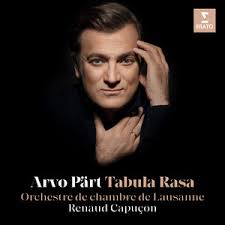
Tabula Rasa – Arvo Pärt (Renaud Capuçon, 2021)
This is the inaugural recording of violinist/conductor Renaud Capuçon with the Orchestra de Chambre de Lausanne. I was listening to a BBC Radio 3 programme on the life of Arvo Pärt, the Estonian composer, when his son chose this performance of Tabula Rasa. It was another of those moments when I had to stop (this time from digging my allotment) and just listen. I did know this piece from the famous live recording by Gideon Kramer in 1981, which again I was introduced to from a radio recommendation, that time by P.J. Harvey (she actually chose the remarkable ‘Fratres’ track from this album in a ‘Private Passions’ broadcast); however, this recording turns up the intensity, which I didn’t think was possible.
I always find Pärt’s music emotionally gripping and all-consuming, and this recording, when played loud, is an emotional rollercoaster ride. The first thing you notice is the quality of the recorded sound; it has that special immediacy, with all the notes ringing out with individual clarity. I didn’t know of Capuçon, perhaps because much of his previous repertoire was from the Romantic period; however, on this album he is outstanding, playing quietly in the high register with great sustain, and then unleashing a ferocity of playing that I haven’t heard before. In the first movement (Ludus) he is joined in this intensity by fine playing from François Sochard (violin), Guillaume Bellom (prepared piano), and not forgetting the wonderful Lausanne Chamber Orchestra. The second movement of Tabula Rasa (Silentium) allows you to catch your breath, before moving on to another intense piece, Fratres. This version of Fratres is for violin and string orchestra, and although still a powerful work and wonderful recorded sound, I prefer the Gideon Kramer version for just violin and prepared piano (and not just because it’s a favourite of P.J. Harvey and Nick Cave!). For those that don’t know the music of Pärt, then the remaining tracks on the album are a great introduction, and for those that do, they provide exceptional, richly recorded music by this sublime composer.


Leave a Reply